| Category : | Movies |
| Publish date : | November 9, 2026 |
| Address | 4031 Shinn Avenue Pittsburgh, PA 15219 |
| Social Links : |
Some games invite you to wander, collect things, and take your time. A geometry jump asks for something different: a little focus, a quick response, and a willingness to try again. The screen may look simple, with bright shapes and a path made from platforms, spikes, and gaps, but each jump asks you to read what is coming and act at just the right moment. That mix of clarity and challenge can make a short play session surprisingly absorbing.
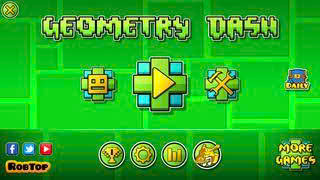
Geometry Dash is a familiar example of this kind of rhythm-based platform game. You guide a small geometric character through a level while music and obstacles move together. There is no long list of controls to memorize. The real task is learning the pattern: when to jump, when to stay grounded, and how to keep your timing steady as the level becomes more demanding. Whether you are new to the game or returning after a long break, the best approach is to treat each attempt as practice rather than a test of skill.
At its heart, a geometry jump is about moving through a course without colliding with obstacles. In Geometry Dash, your character travels forward automatically. A tap or key press makes it jump, while some sections introduce changes in movement or gravity. The controls are simple, but the level design keeps you thinking. A low spike may require a quick hop; a wide gap might need a longer, carefully timed jump; a sequence of platforms can ask you to repeat the same action in rhythm.
The music is more than background sound. Its beat often hints at the pace of the course, and many obstacles arrive in patterns that feel connected to the soundtrack. Listening can help you anticipate what is next, especially after you have tried a section a few times. Still, sound is a guide rather than a guarantee. Watch the path as well, because visual cues tell you exactly where a hazard begins and how much room you have to react.
A failed attempt is part of the ordinary rhythm of play. When your character hits an obstacle, the level usually starts again from the beginning, which can feel tough at first. But each run gives you another chance to notice a detail you missed: a jump that needs to happen earlier, a platform that changes your timing, or a small pause before a rapid sequence. The restart is not a judgment. It is simply the game handing you another opportunity to learn the route.
Some players enjoy the concentrated challenge of completing a carefully designed level. Others like discovering community-made stages, which can range from playful and welcoming to intricate and demanding. If you are exploring user-created levels, try a few with different styles. One may emphasize musical timing, another may use unexpected visual effects, and a third may feel like a compact puzzle. Choosing a level that suits your mood can make the experience more enjoyable than picking the hardest option available.
Start with a level that gives you room to understand the controls. It is tempting to jump straight into a difficult course, but a gentler introduction helps you learn how your character responds. Pay attention to how long a jump lasts, how quickly the character moves, and what different surfaces or sections do. Once those basics feel familiar, harder patterns become easier to read.
Try to focus on one small section at a time. If you keep reaching the same obstacle and failing there, notice what happens just before it. Are you pressing too early? Are you reacting to the spike instead of preparing for it? A tiny adjustment can make a surprising difference. If the game offers a practice option or checkpoints, use them to repeat tricky portions without replaying the whole course each time. Practice is most useful when you have a specific question to answer, such as, “Can I make this jump if I press on the beat?”
Keep your movements deliberate. Pressing repeatedly in a panic may work in a few places, but it can also make your timing less consistent. A calm, single action is easier to learn from. It may help to lower distractions, keep the volume at a comfortable level, and use the control method that feels natural. If a keyboard is awkward for you, another supported input may feel better; what matters is being able to respond reliably.
Take breaks when frustration begins to crowd out curiosity. A short pause can reset your attention, and the obstacle that seemed impossible may look clearer when you return. You do not have to finish a level in one sitting for the session to count. Progress can mean reaching a new section, recognizing a pattern, or simply becoming more comfortable with the pace.
Most of all, let the game be playful. Celebrate small improvements, experiment with levels, and do not compare every attempt with someone else’s best run. The satisfying moment is often not just reaching the finish line. It is noticing that a sequence that once felt chaotic now makes sense under your fingers.
An interesting geometry jump combines clear rules with a steady stream of small decisions. Geometry Dash shows how a simple jump can become an engaging challenge when movement, music, and obstacle patterns work together. Start with an approachable level, pay attention to the rhythm, and use each restart to learn one useful detail. With patience and a light touch, even a difficult course can turn into a series of manageable moments. The next time you play, focus on the path in front of you, take a breath, and enjoy the feeling of getting a little farther.